
Published under Art of FACELESS. No byline. No face. Just the work, the words, and the receipts.
In early February, we fired a warning shot.
The essay was titled Slop Is A Slur on Substack.👇
 Art of FACELESS
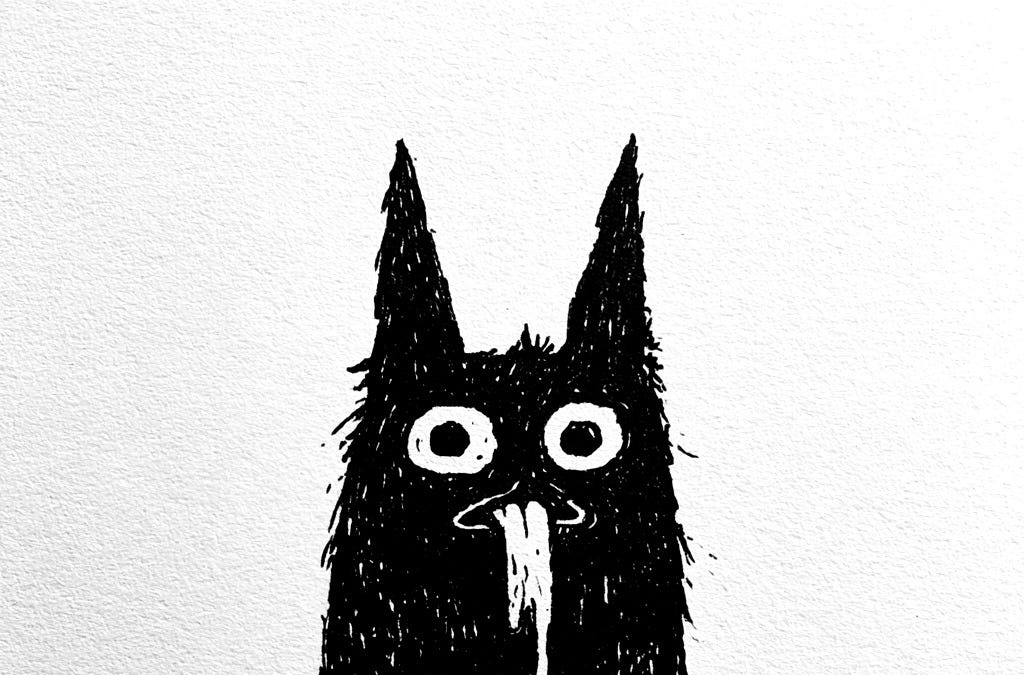
👆 It was written from the raw, lived reality of a working-class, disability-focused studio setup in Cardiff: an uncompromising refusal to bow to the self-appointed cultural arbiters who had begun using a single, monosyllabic epithet to cleanse the digital commons of anyone who did not look, work, or perform like them.
At the time, the digital salon reacted with a shrug and a smattering of defensive comments. It was easy for them to treat it as an isolated provocation, a solitary contrarian voice to be filed away and ignored.
Nine months later, the cultural trajectory has caught up with the diagnosis.
The online rage economy has hardened from petulant gatekeeping into an active, weaponised crusade. What was once theoretical in February 2026 is now measurable human damage. Over the past few weeks, the correspondence entering our studio has shifted in tone. We are no longer simply hearing from curious technologists or fellow transmedia creators; we are hearing from disabled artists, neurodivergent writers, and creators working with physical limitations who have been reduced to tears because their assistive processes — the literal cognitive and bodily scaffolding that allows them to manifest their interior worlds — have been summarily branded as “slop.”
This is no longer a debate about aesthetics. It is an eviction notice. It is an active campaign of social intimidation designed to enforce compliance with a romanticised, normative myth of human labour.
When we recently revisited the issue, a self-styled “cerebral artist” stepped forward to offer a pristine specimen of this exact mindset. His critique was instructive precisely because it was so utterly scattered — a chaotic collision of 19th-century industrial metaphors, immediate self-contradictions, and aesthetic elitism masquerading as concern for the working class.
He asked why we were invoking the “spectre of privilege.” He asked whether artists displaced by automation weren’t the true “underdogs,” just like the industrial labourers of the 19th century. And then, without drawing breath, he declared that the term slop is “indicted by virtue of mediocrity; not access”— only to write, in the very next sentence, that “the access is what makes it slop, as it were, because it’s flooding the market with appeals to the common denominator.”
It is rare for an interlocutor to dismantle their own thesis so completely in a single paragraph. But beneath the intellectual pretzel-knots lies a pathology that must be laid bare.
To understand why “slop” functions as a slur, we have to look past the velvet ropes of online literary salons. We have to examine what a slur actually does, how biological privilege masquerades as virtue, and why the romantic myth of the “unassisted genius” has always been a corporate lie.
1. The Semiotics of Reduction: What a Slur Actually Does
Let us address the linguistic bad faith head-on. The immediate, knee-jerk objection to our thesis is semantic pearl-clutching: “How dare you call ‘slop’ a slur? A slur belongs to protected legal categories! Slop is just a review of bad art!”
This argument relies on deliberate amnesia regarding how language works.
A slur is not defined by whether it appears in an institutional HR manual. A slur is defined by its communicative architecture. Its singular, functional purpose is categorical reduction. It is designed to collapse the complex humanity, labour, intent, and dignity of a subject into an instantaneous, pre-condemned caricature — rendering both the artefact and its creator worthless with zero expenditure of intellectual energy.
Consider the mechanics:
- When a woman is branded a “slut” for wearing a short skirt, the epithet does not evaluate her character, her intellect, or her choices. It uses a single visual marker to instantly collapse her into disposable sexual worthlessness.
- When an unemployed person or a disabled individual claiming state support is branded a “scrounger” or a “skiver,” the term does not interrogate economic policy, systemic inequality, or physical health. It seizes upon their structural circumstance to declare them a parasitic drain on society.
- When an image, a text, or a synthetic narrative is branded “slop,” it does not critique the composition, interrogate the subtext, or analyse narrative pacing. It uses the presence of assistive or synthetic tooling to declare the work illegitimate at source, the effort non-existent, and the creator an impostor polluting the commons.
The move is always two-tier: devalue the artefact to nullify the creator.
If you call a novel clichéd, you are criticising the text. The writer remains a writer; the debate centres on craft, structure, and execution. When you scream “Slop!”, you are not reviewing the work. You are issuing a decree that the work has no right to exist, that no human intention was present, and that the person responsible is a cultural vandal who deserves public ostracisation.
It is an intellectual shutdown mechanism — a casual, broadsheet-formatted cudgel deployed by an incumbent class that has realised its monopoly on production is slipping away.
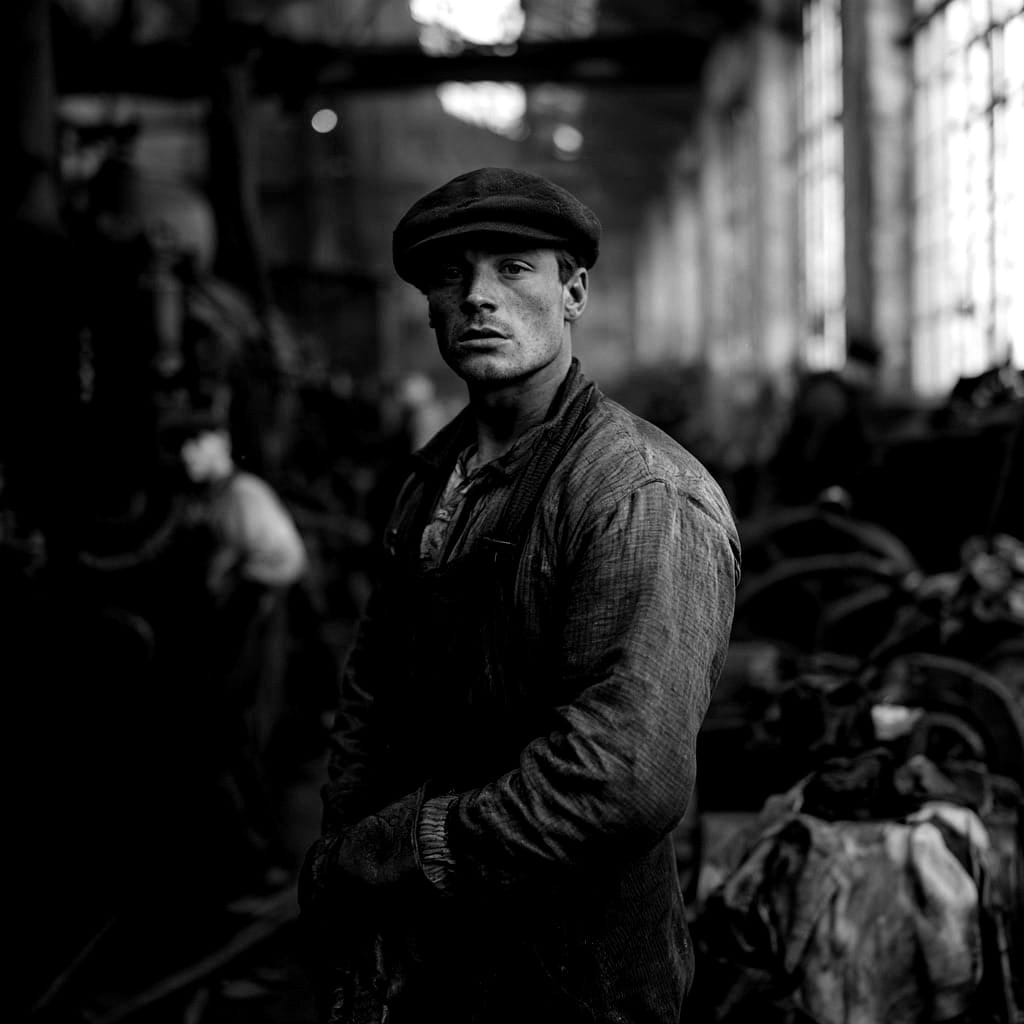
2. The Great Inversion: Industrial Labour vs. Normative Bodily Privilege
Our critic attempted to mount a historical defence: If industrialisation made manual factory labourers the underprivileged underdogs against corporate machinery, why isn’t the digital artist the underdog against artificial intelligence?
It is a seductive analogy for anyone whose political analysis ended in 1890, but it commits a catastrophic category error. It conflates economic precarity with normative bodily privilege.
In the industrial factory, the machine was private capital owned by an industrialist baron, deployed to break the physical autonomy of the worker on the assembly line. The worker was alienated from their labour, chained to an engine they did not own, producing surplus value for an oligarch.
Generative and assistive tools operate in the exact reverse direction. They place high-throughput compute, pattern synthesis, and rendering capabilities directly into the hands of the individual. For a working-class creator who cannot afford a £100,000 film crew, a studio assistant, or three years of unpaid gallery internships, the local model is not the boss’s steam hammer — it is the printing press.
More critically, our critic’s Marxist pastiche completely ignores the axis of biological ability.
An artist may well be economically precarious, but if they possess an able body with fine motor control, standard neurotypical executive function, and the sustained biological stamina to spend ten hours a day leaning over a drafting board or a mechanical keyboard without agony or cognitive collapse, they possess an immense, unearned biological baseline.
When that artist turns around and demands that all creative expression must pass through their exact physical bottlenecks — and declares that anyone who uses an assistive lever to bypass those bottlenecks is producing "fraudulent, effortless sewage"— they are not acting as the working-class hero. They are acting as an ableist gatekeeper.
They are demanding that the disabled creator perform impossible, unassisted physical gymnastics or remain silent. They are insisting that unless human suffering is performed in the precise, traditional, guild-sanctioned manner, the resulting output has no soul.
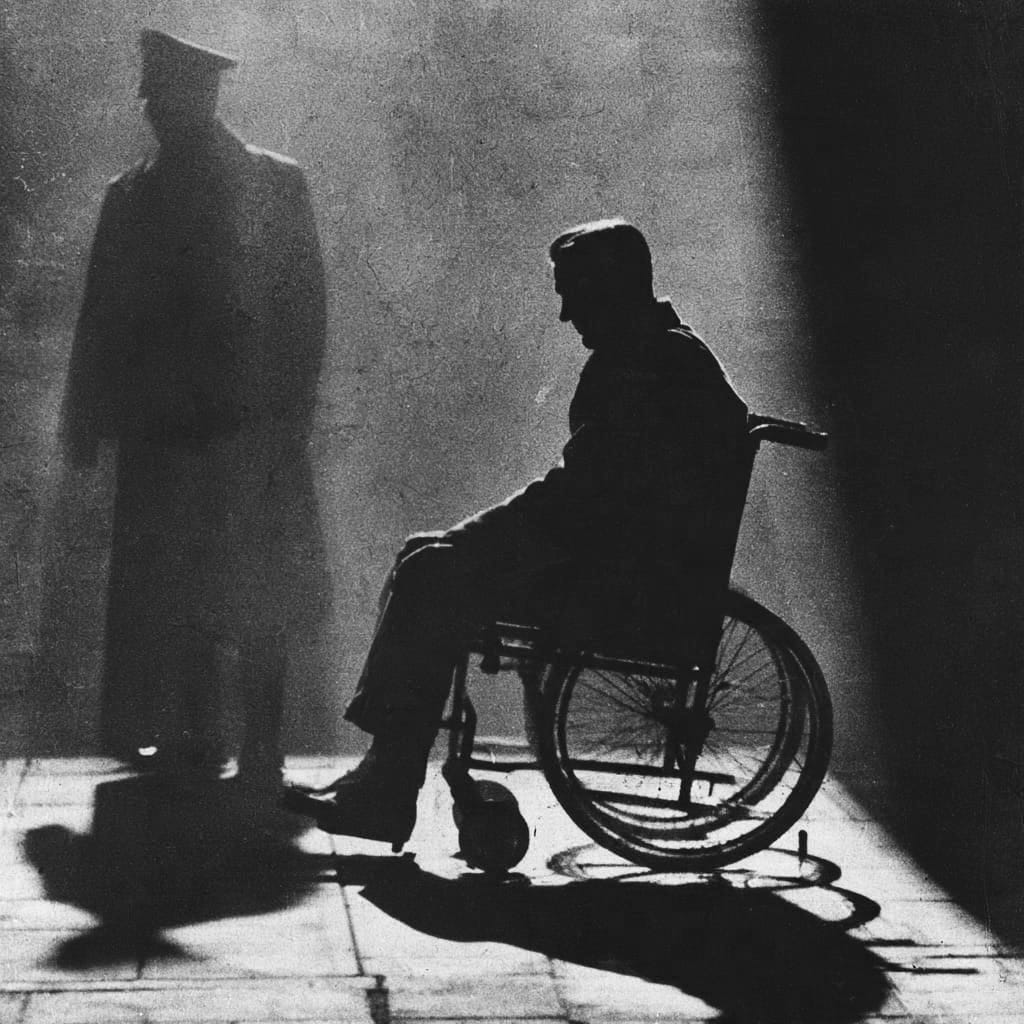
3. The Assistive Fraud Trap: Echoes of the 1930s
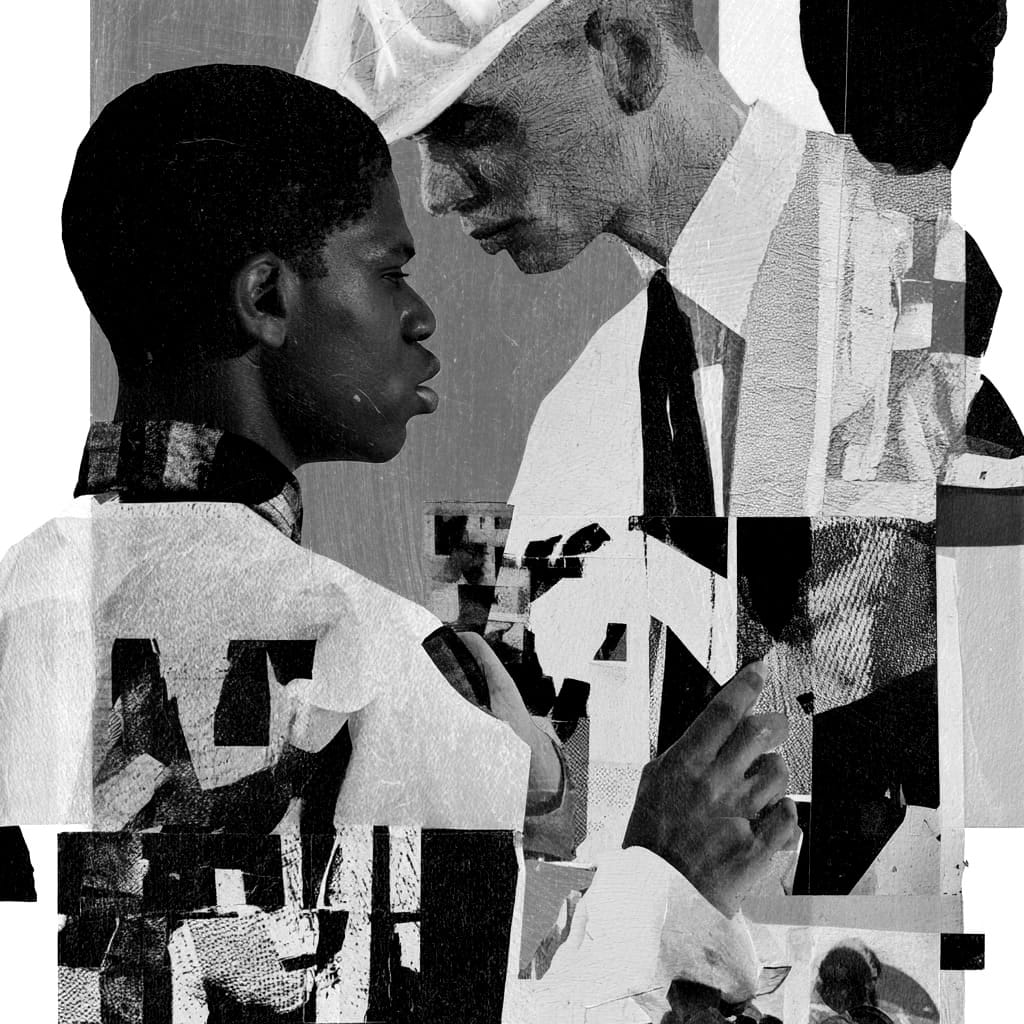
In our visual essay Mind Dump 001 (The Anatomy of a Slur: From 1930s Eugenics to the Modern Moral Panic published on Substack), we documented how historical fascism deployed the graphic vocabulary of civic hygiene.👇
 Art of FACELESS
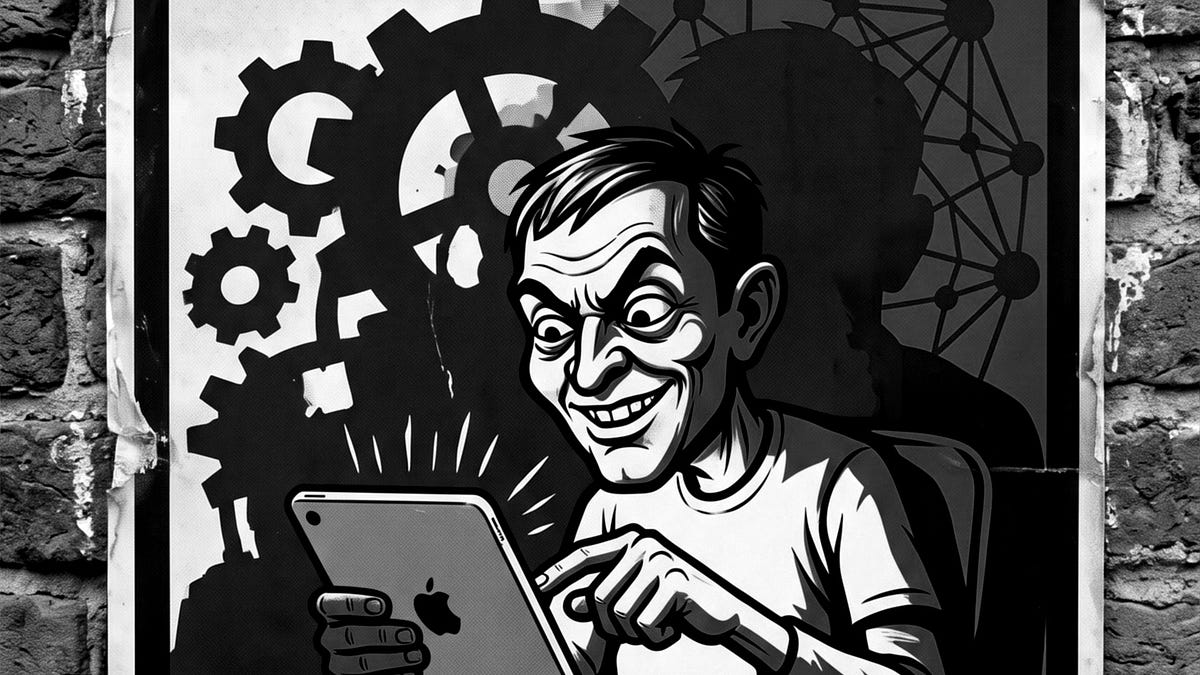
👆The posters of 1930s Europe did not merely attack political opponents; they manufactured a moral panic around Ballastexistenzen — “useless eaters” and parasites who were framed as an intolerable drag on the productivity of the authentic worker.
The slogans were always framed in terms of bodily performance: “Stand on your own two feet”. “Work will make you free.”
Today, that identical rhetoric has migrated from the eugenic medical treatise into the cultural column and the Substack feed. The demand is identical: prove your worth through unassisted manual output, or accept that you are an economic and aesthetic cheat.
When our critic wrote that "the access is what makes it slop... because it’s flooding the market with appeals to the common denominator," he said the quiet part out loud.
He confirmed the thesis: it was never about the quality of the work; it was always about who was allowed in the room.
To the cultural aristocracy, “access” is synonymous with pollution. If the working-class kid from the valleys or the neurodivergent author isolated at home can produce a fully realised speculative ecosystem without kneeling before the gallery curators, the literary agents, or the academic credential-mills, the entire illusion of the creative guild collapses.
They call it "mediocrity," but history shows this is the standard defensive reflex of every incumbent class during an information shock. When the printing press arrived, the scribal monks did not say, “This makes books cheaper.” They said, “This democratisation of text allows vulgar, illiterate minds to flood Christendom with heresy and slop.”
When the camera arrived, Baudelaire did not say, “This is an intriguing new medium.” He lamented that photography was the refuge of every failed painter with no talent, a technological shortcut that would corrupt the sacred artistic spirit of France.
The technology changes. The snobbery remains identical.
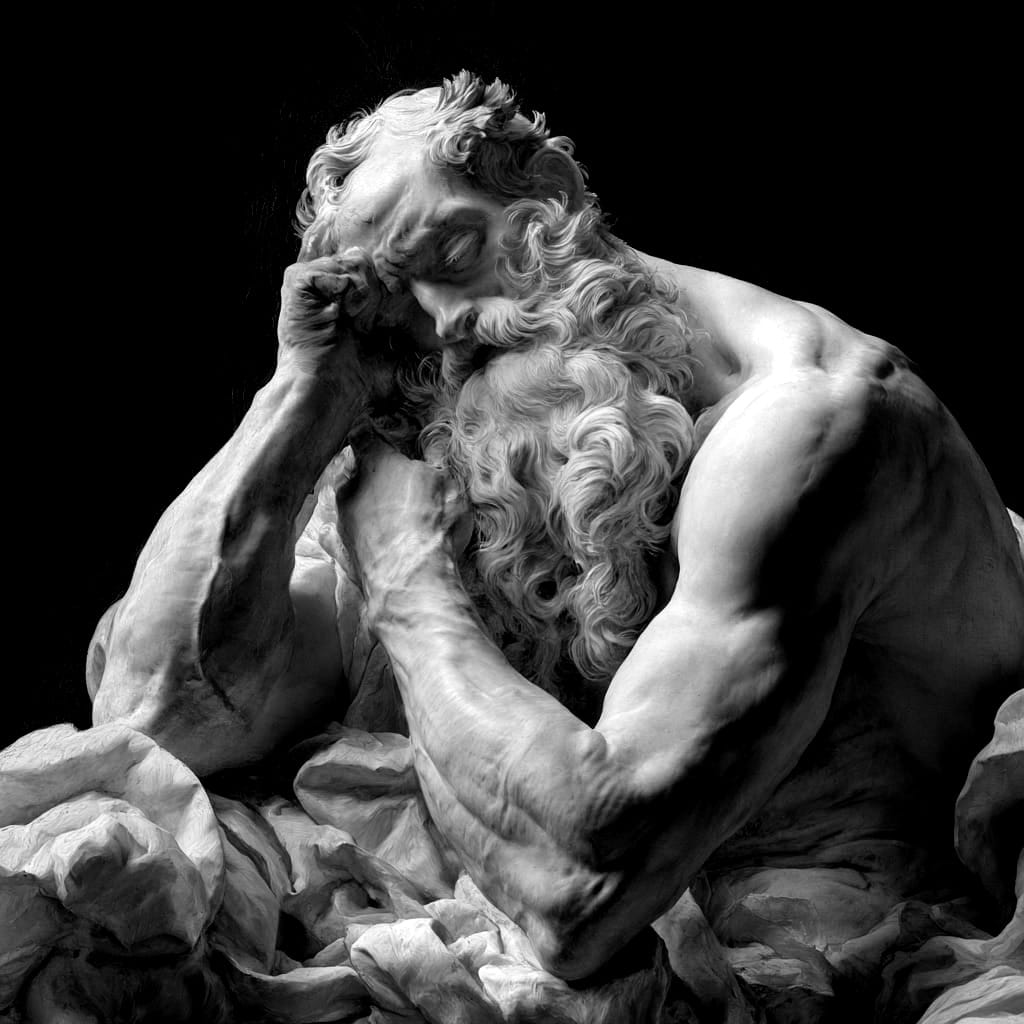
4. The Myth of Unassisted Purity: Rodin Didn’t Carve His Own Marbles
Whenever these self-styled custodians of letters and culture are pressed on their double standards, they inevitably retreat into bad-faith accusations of hypocrisy.
When we pointed out the absurdity of algorithmic detection loops and noted that historically, people simply enjoyed the work without conducting forensic assays into its fabrication, our critic took to his feed to accuse us of telling people to "believe our position without question." He sneered at our reference to Auguste Rodin.
Let us teach the "cerebral artists" a brief lesson in art history.
The romantic myth of the solitary genius toiling in noble, unassisted isolation — bleeding into his canvas, starving in a garret, communing directly with the divine muse — is an 18th-century marketing gimmick. It has never reflected the material reality of masterwork production.
- Auguste Rodin rarely laid a chisel to marble in his later career. He worked in clay and plaster, creating small-scale maquettes. The colossal, finished marble statues that bear his signature in national museums (we have one in Cardiff) were physically carved by teams of highly skilled, anonymous Italian studio artisans (praticiens) using pointing machines to mechanically enlarge and translate his models.
- Peter Paul Rubens ran what was essentially an industrial painting factory in Antwerp. Rubens drew the compositional sketch and added the final touches; an assembly line of specialist studio assistants painted the drapery, the backgrounds, the animals, and the foliage.
- The Renaissance Masters did not grind their own pigments by hand in romantic solitude; their apprentices did it until their lungs gave out.
The creation of monumental art has always relied on distributed labour, systemic scaffolding, mechanical leverage, and assistive technologies.
The only difference today is that the "assistive workshop" has been converted into open-source software running locally on a personal machine. It is no longer the exclusive preserve of wealthy patrons, state-backed academies, and guild masters who could afford to hire rooms full of anonymous human labourers to execute their visions.
The sudden panic over "authorship" and "provenance" only arose when the levers of scale were handed to the ordinary public. When a billionaire director or a gallery icon uses a hundred VFX artists or studio apprentices to realise their vision, they are celebrated as a visionary auteur. When a disabled creator in a bedroom uses an algorithmic model to translate the complex world in their head into rendered frames, they are branded a thief, a cheat, and a purveyor of "slop."
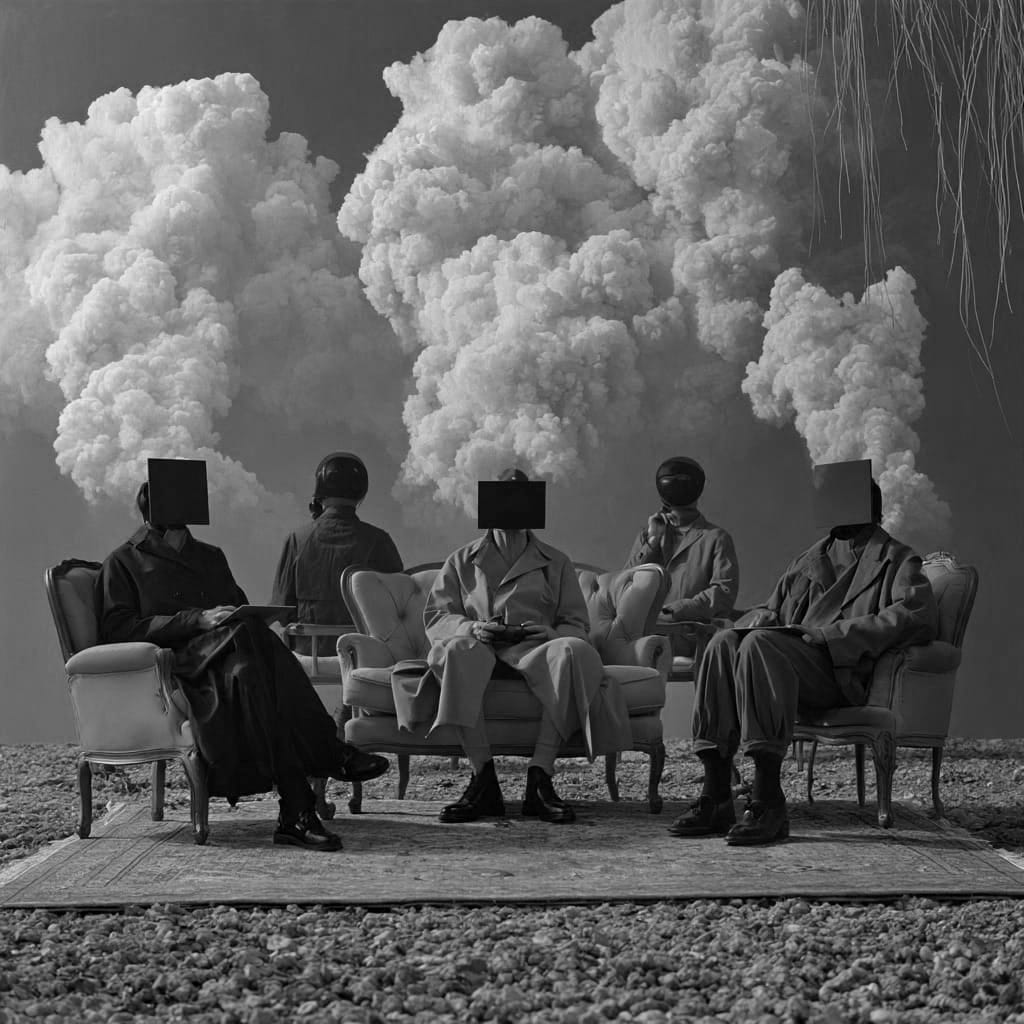
5. Sovereign Capital vs. The Digital Salon
There is a tragicomic asymmetry to this entire discourse.
On one side, you have individuals operating behind transient newsletter handles, floating in insular mutual-admiration circles, tossing pretentious aphorisms back and forth across a feed like coins in a wishing well.
They have no skin in the game.
They hold no legal custody of their ideas, navigate no industrial pipelines, bear no physical scars from the fight for access, and risk nothing except a bruise to their intellectual vanity.
On the other side stands the reality of independent, sovereign production.
Art of FACELESS was not conceived in a digital salon yesterday. It represents almost fifteen years of unbroken, autonomous creative research: four registered trademarks, multiple transmedia narrative ecosystems, documented empirical research into AI cognitive architectures, and a body of work forged in the physical reality of working-class South Wales. We understand how systems are built. We understand how pharmacology, neuroscience, and computational architectures actually function.
We do not have the luxury of treating art as a fragile, blood-dripping parlour game for the comfortably bored. For us, creative tooling is a question of survival, sovereignty, and cognitive liberty.
To those who have made it their mission to patrol the borders of this medium, armed with the word slop and a bottomless supply of unearned condescension: keep writing your Notes. Keep auditing our archives for ideological impurities. Keep reassuring one another of your intellectual superiority in the quiet corners of your feeds that have no external links to anything you've actually created.
You are not the guardians of culture. You are simply the latest iteration of the guild bailiff, standing outside the gates with a broken ruler, demanding to see the papers of people who have already built their own city on the hill.
We will not be checking in with you. We will not be performing for your approval. And we will continue to ensure that every single creator who relies on assistive scaffolding to break the silence knows that their voice, their vision, and their dignity are non-negotiable.
The gates are gone. Get used to the draft.
All images used in this section were imagined by a carbon-based lifeform using a brain that is battling the rot of an incurable, neurodegenerative disease. No artist was harmed during the construction of this post.
Founding editorialRead this first
No Face. No Performance. No Proof Required.
Punk publishing, run by disabled people. We won't show our face, perform our disability or justify our wheelchair, whatever it's made of. Everything we publish comes back to this.


